
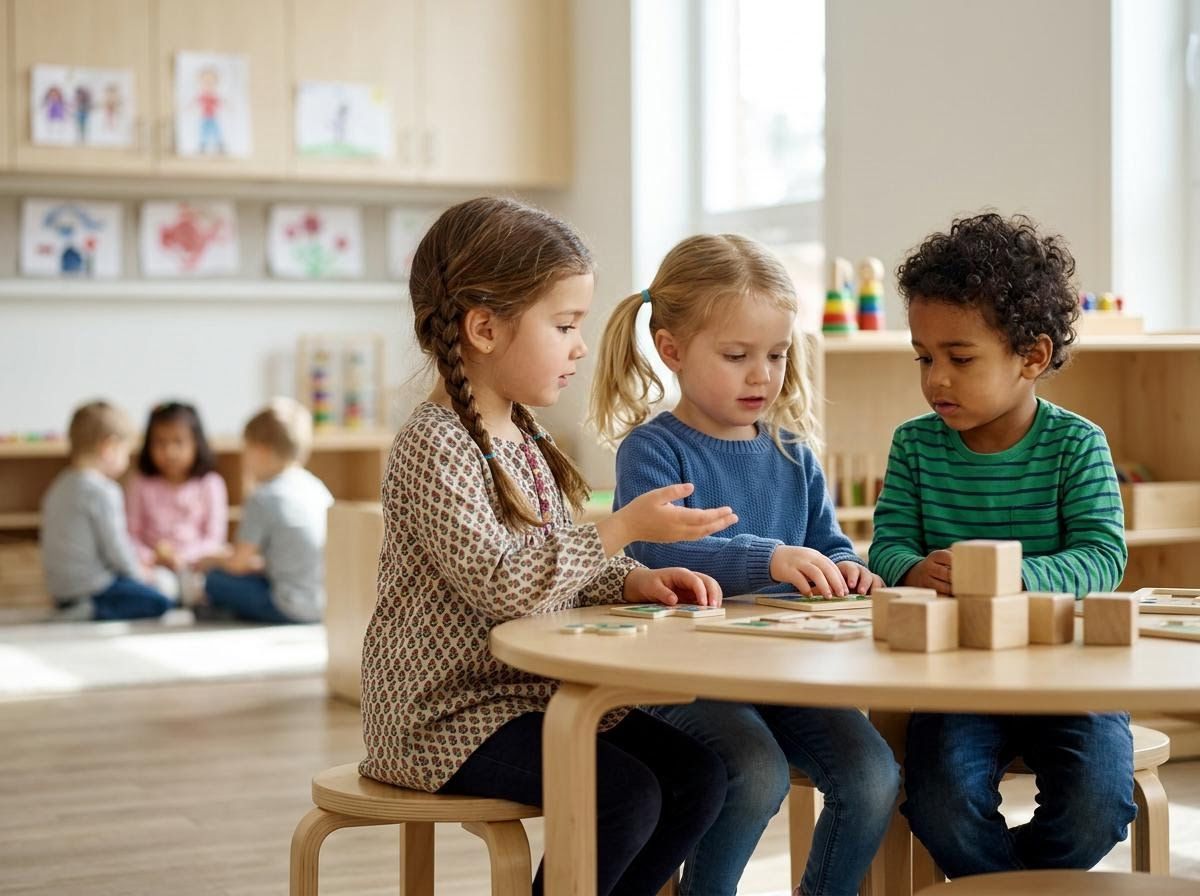
In the journey of early childhood, much focus is rightly placed on cognitive and physical development. However, an equally vital aspect, often integrated seamlessly into daily activities, is Social-Emotional Learning (SEL). This crucial development goes "Beyond Playtime," laying the groundwork for a child's success in school and life, cultivating essential skills like empathy, self-regulation, and effective communication. At Take-A-Break, we understand that nurturing these abilities during the preschool years is paramount, preparing your little one for a future where they can thrive both academically and personally.
What is Social-Emotional Learning (SEL)?
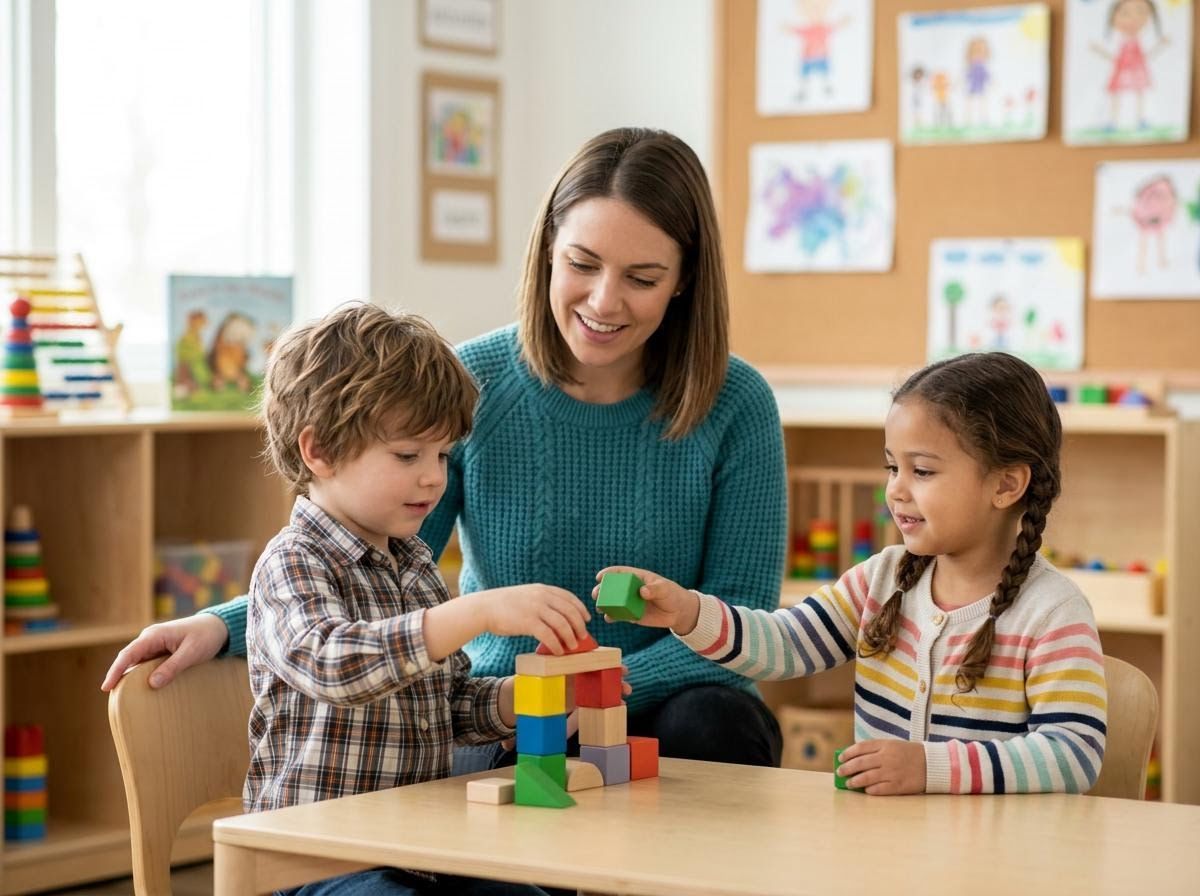
Social-Emotional Learning encompasses the process through which children and adults acquire and effectively apply the knowledge, attitudes, and skills necessary to understand and manage emotions, set and achieve positive goals, feel and show empathy for others, establish and maintain positive relationships, and make responsible decisions. For preschoolers, this translates into learning how to share toys, understand a friend's feelings when they're upset, patiently wait for a turn, and express their own needs and wants constructively. It's about developing self-awareness (recognizing their own emotions), self-management (controlling impulses), social awareness (understanding others' perspectives), relationship skills (building friendships), and responsible decision-making (solving problems ethically).
Laying the Foundation for Lifelong Success
The skills developed through SEL are not just for the sandbox; they are critical building blocks for a child's entire life. Children with strong social-emotional skills tend to perform better academically, as they are better equipped to focus, follow instructions, and collaborate with peers. Beyond the classroom, these skills foster resilience, helping children navigate challenges and setbacks with greater confidence. They learn to empathize with others, leading to more meaningful friendships and a stronger sense of community. Ultimately, SEL prepares children to become compassionate, capable individuals who can adapt, solve problems, and contribute positively to the world around them.
Nurturing SEL in a Quality Child Care Environment
A high-quality child care environment plays an instrumental role in fostering social-emotional growth. Skilled educators create a safe, predictable, and nurturing space where children feel secure enough to explore their emotions and practice new social skills. Through guided play, group activities, and intentional conversations, teachers facilitate opportunities for sharing, conflict resolution, and understanding diverse perspectives. With excellent child-to-adult ratios, staff can provide individualized attention, model appropriate behaviors, and help each child develop a strong sense of self and belonging. This structured yet flexible approach allows children to learn by doing, receiving gentle guidance and support as they master these vital life lessons.
Building a Brighter Future, Together
The journey through preschool is a time of immense growth, and the development of strong social-emotional skills is as crucial as learning the ABCs and 123s. By prioritizing a nurturing environment that cultivates self-awareness, empathy, and positive relationship skills, we equip our children with the foundational tools they need to navigate the complexities of life with confidence and kindness. If you're interested in learning more about how a structured and supportive environment can enhance your child's social-emotional development, we invite you to explore our approach to holistic early childhood education.